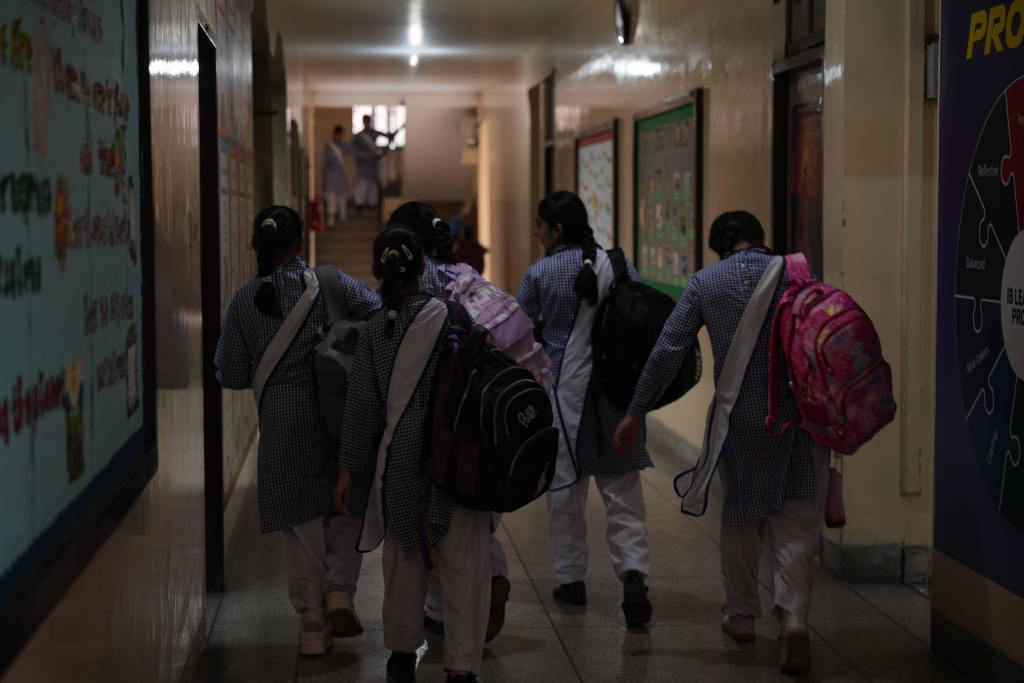
Across PEB’s schools and boarding houses, frequent rolling power outages disrupt the school day and make learning more difficult. Many campuses experience power outages every day, and some have one or even two full days each week without electricity.
Without power, classrooms are left without lights, making it difficult for students to read their textbooks or see what teachers have written on the board. Fans stop running when temperatures are often near or above 90 degrees. Computer labs, science labs, videos, multimedia resources, and other technology-based teaching tools cannot be used. Prolonged outages can also affect campus security, as CCTV systems have limited backup power.
PEB is working to change that by installing solar power systems with built-in battery storage across its campuses.
PEB has already completed solar power systems at three campuses:
Fifteen systems remain, serving 13 schools, four boarding houses, and the PEB central office.
The cost of each system ranges from $22,000 to $34,000, depending on the size and energy needs of the campus.
Total remaining need: $543,000
A reliable source of power will help ensure that when students come to school each day, they can spend their time learning—not waiting for the lights and fans to come back on.
The systems capture and store energy, providing reliable power throughout the school day and into the evening. This means fewer interruptions to learning and allows teachers to plan lessons using the most effective teaching methods without worrying that a sudden power outage will bring technology-based instruction to a halt.
Students will be able to learn in classrooms with light and fans, use computer and science labs without interruption, and study in safer, more comfortable environments. Stored power will also provide lighting and support security cameras after dark, helping keep campuses safe.
For students living in PEB’s boarding houses, reliable power means being able to sleep with fans during the hottest parts of the year, have light to complete homework and eat meals, and spend time with friends in the evenings. Nighttime lighting and security cameras will also help keep their homes safe.